A trip to the French capital requires meticulous preparation, particularly regarding the elements. The atmosphere of Paris shifts dramatically with the passing clouds, altering the way you experience its boulevards, cafes, and historic monuments. Planning around the local climate ensures your itinerary remains flexible, enjoyable, and free from unnecessary stress. You can curate a refined travel experience by anticipating meteorological shifts and packing intelligently.
The Influence of the Atlantic
Paris lies within an oceanic climate zone, shaped largely by weather systems blowing in off the Atlantic Ocean. This geographical positioning dictates that extreme temperatures remain relatively rare, yet it introduces a persistent likelihood of precipitation. Travelers often arrive expecting a continental climate, only to find that marine air dictates the daily forecast. Acknowledging this oceanic influence is the first step in orchestrating a seamless itinerary. Rain can manifest as a prolonged drizzle or a brief, heavy shower, requiring visitors to maintain a baseline level of preparedness throughout their stay.
Temperature Averages Throughout the Year
Temperatures fluctuate moderately across the calendar. January brings brisk averages around four degrees Celsius, while July and August see daily highs hovering near twenty-five degrees Celsius. However, recent years have recorded notable heatwaves during mid-summer, pushing thermometers well beyond thirty-five degrees. Contrastingly, winter temperatures occasionally dip beneath freezing overnight. Monitoring historical averages provides a baseline foundation for planning, yet examining the immediate forecast two days prior to departure ensures accurate packing and scheduling.
Microclimates Within the City
Urban density heavily influences local temperature variations. The concentration of historical stone buildings, paved boulevards, and dense traffic creates a distinct urban heat island effect. Central arrondissements frequently register a few degrees warmer than the sprawling green spaces on the city outskirts, such as the Bois de Boulogne or Bois de Vincennes. Additionally, proximity to the river introduces subtle differences in humidity and wind chill. Recognizing these microclimates aids in choosing your daily attire and selecting appropriate venues for afternoon breaks.
When planning your visit to Paris, it’s essential to consider the city’s unpredictable weather, which can greatly influence your itinerary. For more insights on how to navigate the weather while enjoying your time in the City of Light, you can check out a related article that offers helpful tips and advice on planning around Paris weather. For further details, visit this link.
Navigating the Seasons: What to Expect
Spring: Blossoms and Unpredictable Showers
Late March through May offers a visually striking period characterized by blooming chestnut trees and crisp, cool air. The trade-off for this visual appeal is notorious unpredictability. A single April afternoon might transition from bright sunshine to a sudden hailstorm and back entirely within a few hours. Visitors must approach spring with a highly flexible mindset, keeping umbrellas at hand. Outdoor dining becomes appealing during this time, though terrace heaters remain a common fixture well into May.
Summer: Warm Days and Long Evenings
June to August presents the city at its most luminous, with daylight stretching late into the evening. Sunsets often occur past ten o’clock, granting ample time for lengthy evening strolls. While daytime heat can become intense, humidity levels generally remain manageable. Planners should account for the intensity of the midday sun by scheduling museum visits or shaded walks during peak heat hours. Light, breathable fabrics prove essential for maintaining comfort during extensive city walks under direct sunlight.
Autumn: Crisp Air and Golden Hues
September and October provide near-ideal conditions for urban exploration. The oppressive heat of summer fades, leaving behind clear skies and mild afternoons. As November approaches, daylight diminishes rapidly, and the air turns remarkably damp. Autumn rainfall tends to be more consistent and prolonged compared to spring showers. The changing foliage in the Jardin des Tuileries presents an excellent backdrop for photography, provided you dress appropriately for the steadily cooling temperatures.
Winter: Brisk Winds and Festive Atmospheres
December through February envelops the capital in a stark, quiet chill. Snowfall remains an infrequent occurrence, generally melting quickly upon contact with the pavement. Instead, visitors face biting winds funneling down wide avenues alongside frequent overcast skies. Planning during this season requires prioritizing indoor attractions and brief outdoor transits. Warm cafes offer necessary refuges for resting and recovering from the damp cold that permeates winter afternoons.
Wardrobe Strategies for Variable Weather
The Art of Layering Elegantly
Parisians master the technique of layering to combat the capricious climate effortlessly. Rather than relying on a single, heavy winter coat, a strategic combination of garments offers distinct adaptability. Consider starting with a breathable base layer, such as fine merino wool or pure cotton. Add a tailored sweater or cardigan, finishing with a versatile outer garment like a classic trench coat or a tailored wool overcoat. A compact wool blend behaves exceptionally well in damp air compared to bulky synthetic fabrics. This approach allows you to adjust your internal temperature fluidly as you transition between brisk streets and heavily heated museums.
Footwear Choices for Cobblestone Streets
Proper footwear acts as the absolute cornerstone of a successful trip. The charming, uneven cobblestones found in historic districts like Le Marais or Montmartre demand supportive, flat-soled shoes. During wet months, waterproof leather boots prevent damp feet from ruining a carefully planned afternoon. In warmer seasons, sturdy walking sandals or refined leather sneakers offer comfort without sacrificing style. Heels are best reserved for short distances between a taxi and a restaurant entrance, as navigating damp, uneven pavements becomes a genuine hazard.
Essential Accessories for Rain and Shine
A well-curated selection of accessories bridges the gap between varying forecasts. A compact, wind-resistant umbrella should reside permanently in your day bag. Silk or lightweight wool scarves serve a dual purpose: they elevate a simple outfit visually and provide crucial warmth against unexpected gusts of wind. High-quality sunglasses remain necessary year-round to combat the glare reflecting off the river and light-colored limestone buildings. A small tote bag proves exceptionally useful for carrying shed layers as the day warms up.
Curating Your Itinerary Based on the Forecast
Strategies for Blue-Sky Days
Clear weather dictates a focus on outdoor landmarks and neighborhood exploration. Open-air markets, expansive manicured gardens, and panoramic viewpoints like the steps of Sacré-Cœur demand attention when the sky is blue. Structuring your itinerary with alternative plans allows you to swap a museum day for a park day at a moment’s notice. The vivid light illuminating the grand boulevards rewards those who prioritize outdoor movement. Take advantage of optimal conditions to wander without a rigid destination, absorbing the architectural details that define the city.
Finding Refuge During Sudden Downpours
When a heavy rain sets in, having a mental list of local sanctuaries prevents deep frustration. Beyond the obvious choices of the Louvre or the Musée d’Orsay—which often see a massive surge in crowds during inclement weather—consider the city’s covered passages. The Galerie Vivienne or Passage des Panoramas offer historically rich, completely sheltered environments for dining and shopping. Department stores like Le Bon Marché provide an aesthetically pleasing environment to wait out a storm while exploring high-end retail.
Balancing Indoor and Outdoor Exploration
A highly refined itinerary blends indoor cultural immersion with outdoor leisure, carefully balancing the two based on weather applications. Booking flexible tickets or purchasing a museum pass grants the freedom to heavily front-load museum visits during a rainy spell. Conversely, if an unseasonably warm week arrives, redirect your focus to walking tours, monument exteriors, and alfresco dining. Total fluidity in your scheduling ensures the elements never dictate the success of your vacation.
When planning your visit to Paris, it’s essential to consider the city’s unpredictable weather, which can change rapidly. To make the most of your time, you might find it helpful to explore options for guided tours that can adapt to the conditions. For instance, a great way to enjoy the sights while staying sheltered from the rain is to take a boat tour along the Seine. You can read more about this experience in the article on a delightful 1.5-hour tour in Paris, which highlights the beauty of the city from the water.
The Ultimate Paris Weather Contingency: A Private Cruise
| Date | Weather Forecast | Temperature (°C) | Humidity (%) |
|---|---|---|---|
| May 1, 2022 | Partly Cloudy | 18 | 65 |
| May 2, 2022 | Rainy | 15 | 80 |
| May 3, 2022 | Sunny | 20 | 50 |
Why the Seine Appeals in Any Condition
The river pulsing through the center of the capital offers a unique vantage point that transforms beautifully alongside the weather. On a brilliant summer afternoon, the continuous flow of water reflects the grandeur of the Grand Palais and Notre-Dame. During an autumn evening or a misty spring morning, the river takes on a cinematic, highly atmospheric quality. Engaging with the city from the water provides a constant source of visual intrigue, largely unaffected by the immediate forecast constraints that impact walking tours.
The Distinct Advantage of Privacy on the Water
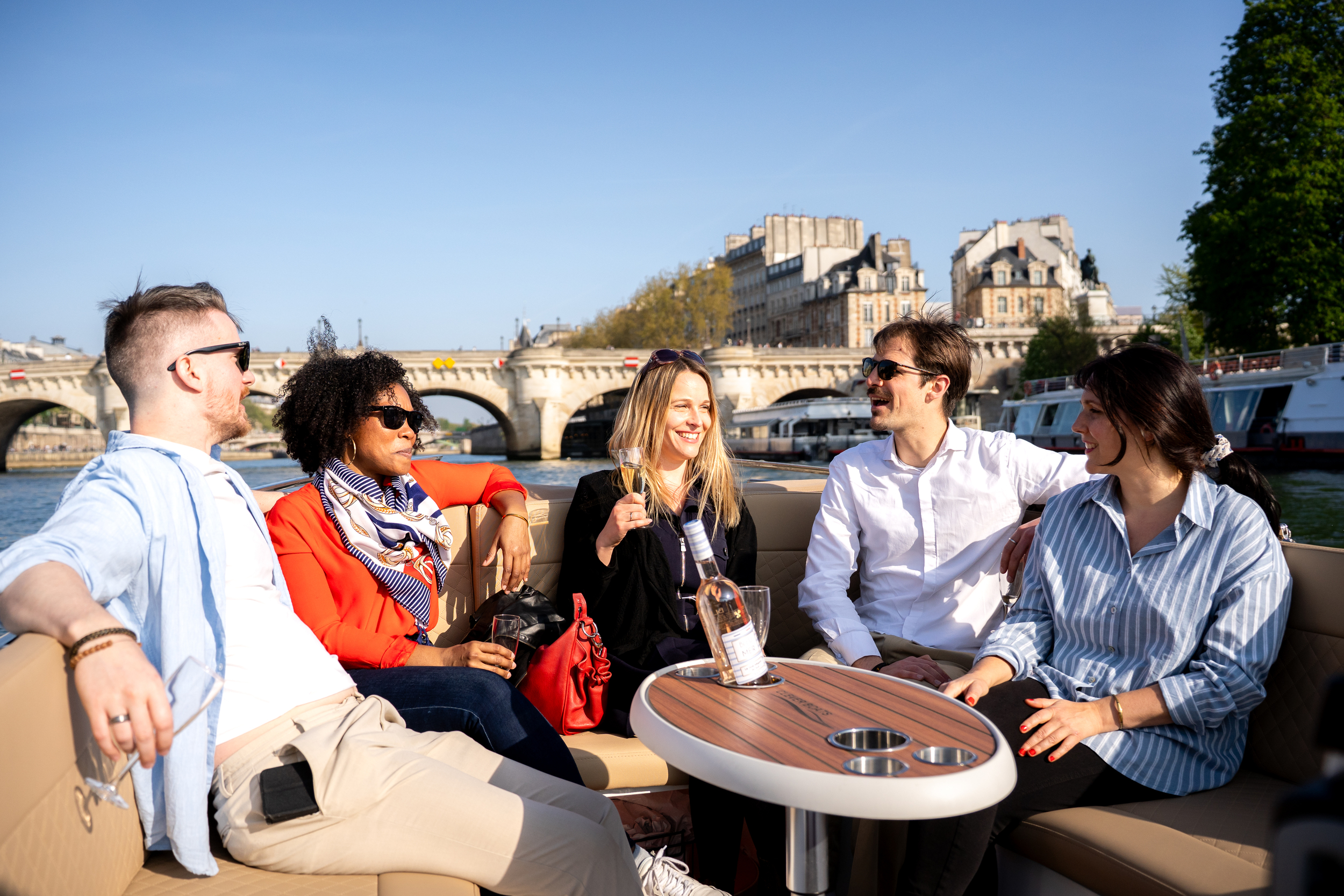
For travelers seeking a premium alternative to crowded public tourist boats, reserving an experience with Boat in Paris elevates the entire day. These fully private boat tours ensure you are never sharing the deck with strangers. Designed ideally for couples seeking romance, families needing a contained environment, or small groups of up to 12 guests, this exclusivity guarantees absolute comfort. When the weather inevitably shifts, you retreat to a comfortable, intimate setting without the noise and disruption typical of mass-market river excursions.
A Relaxed Departure Near the Eiffel Tower
Logistical ease remains a critical component of navigating the city, especially when skies threaten approaching rain. Boat in Paris operates from a highly accessible location, situated a leisurely fifteen-minute walk from the Eiffel Tower. This strategic departure point allows travelers to seamlessly integrate a river journey into a busy sightseeing schedule. You completely avoid long queues and chaotic public boarding docks, stepping directly onto your private vessel for a tranquil departure.
Guided Insights Accompanied by Rosé and Macarons
The 90-minute duration provides perfectly timed exposure to the historic riverbanks without feeling rushed. Your pilot simultaneously functions as a knowledgeable guide, eager to share captivating stories and historical anecdotes about the monuments drifting past your window. To further enhance this premium environment, guests enjoy complimentary rosé wine and traditional macarons while on board. Insulated by comfort and tailored service, visitors consistently report that this private cruise serves as the definitive highlight of their trip to the French capital.
Timing Your Activities for Optimal Conditions
Morning Excursions Before the Heat or Crowds
During the peak of summer, executing your highest-priority outdoor activities early in the day yields excellent results. The air retains a refreshing coolness well before ten in the morning, creating a comfortable atmosphere for ascending the Arc de Triomphe or exploring the Latin Quarter. Morning light casts long, graceful shadows across the historic facades, providing ideal conditions for photography. Furthermore, you effectively beat the inevitable accumulation of tourists that gather at major monuments by midday.
Golden Hour Pursuits Along the Riverbanks
The hour preceding sunset introduces a soft, warm light that reliably improves the aesthetic of the entire urban landscape. Regardless of the season, timing a leisurely walk along the riverbanks during this window maximizes visual pleasure. The golden hour casts a highly flattering glow on the pale limestone structures. It represents a prime moment to find a quiet bench, observe the local rhythm, and appreciate the skyline as streetlamps begin to flicker entirely synchronised with the fading sun.
Evening Adaptations for Chilly Nights
As dusk transitions to night, a noticeable drop in temperature occurs regardless of the month. Spring and autumn evenings command particular attention, as a sunny afternoon can quickly yield to a damp, cold night. Carrying an extra layer to dinner ensures a comfortable walk back to your hotel afterward. When the night turns precipitously cold, utilizing the city’s dense network of taxis or the metro system prevents unnecessary exposure. Planning your dinner reservations in close proximity to your evening entertainment further mitigates long walks in unpredictable nighttime conditions.