A river does not merely flow through a city; in the case of the French capital, it entirely defines the metropolis. The Seine acts as both the dividing line and the unifying thread of the urban landscape. To truly understand the fabric of this destination, one must look directly to its waters. For many centuries, the river has dictated urban planning, sustained commercial trade networks, and captured the attention of creative minds seeking the perfect interplay of natural light and historic architecture. Today, the riverbanks remain the most dynamic corridor in the region, offering residents and visitors a place to walk, reflect, and observe the rhythmic daily life of the city streets. While modern infrastructure has expanded the residential zones far beyond their original aquatic borders, the river firmly retains its position as the undisputed center of gravity. Observing the current drift beneath the ancient stone arches provides a profound connection to the generations that navigated these exact waters.
To trace the early origins of the capital is to follow the winding path of the river. Long before the grand boulevards and towering steel monuments defined the skyline, the water provided sustenance, tactical protection, and an essential means of transportation for early European settlers. The waterways naturally drew human activity, laying a solid foundation for what would eventually evolve into a globally recognized cultural hub.
The Birthplace on the Île de la Cité
The documented story of the region begins on a small, teardrop-shaped island situated amidst the river’s currents. The Île de la Cité served as the fortified heart of Lutetia, the ancient Roman settlement initially established by a Celtic tribe known as the Parisii. Because the island offered a natural defensive advantage against invaders, early inhabitants concentrated their daily lives there, subsequently building timber bridges to connect with the surrounding fertile lands. Over the progressing centuries, this tiny patch of land evolved into the epicenter of royal and religious authority. The laying of foundation stones for the Cathedral of Notre-Dame and the Sainte-Chapelle anchored the island’s importance, turning it into a beacon of medieval architectural advancement. When gliding past the Île de la Cité in the modern era, observers gaze upon the precise geographical coordinate where the metropolis took its first breath. The dense concentration of historical masonry serves as a lasting testament to the river’s foundational role.
A Waterway of Trade and Evolution
As the population expanded and outgrew its island origins, the water rapidly transformed into a bustling highway for continental commerce. Merchant guilds carefully managed the water traffic, bringing timber, wine, and grain supplies entirely into the heart of the capital. The civic influence of these river merchants was profound; their historical coat of arms, featuring a silver ship tossed by turbulent waves, eventually became the official municipal emblem. The accompanying Latin motto, “Fluctuat nec mergitur” (She is tossed by the waves but does not sink), perfectly encapsulates the enduring spirit of the region. The reliable water currents transformed a modest tribal settlement into a thriving European capital, proving that economic and cultural prosperity relied heavily on proximity to the riverbanks. The merchant vessels of antiquity laid the groundwork for the modern navigational routes utilized today.
In exploring the significance of the Seine River in Paris, one can gain further insights by reading the article on the River Lounge experience, which highlights the unique perspective of the city from the water. This article delves into the charm and allure of cruising along the Seine, showcasing how it embodies the essence of Parisian life and culture. For more information, you can visit the article here: River Lounge Experience.
World-Renowned Architecture Reflected on the Water
Walking along the stone embankments or sailing down the central channel is akin to moving through a meticulously curated open-air museum. Planners, architects, and monarchs consistently recognized the river as a majestic staging ground, deliberately orienting royal palaces, judicial courts, and botanical gardens to face the water. This intentional design philosophy ensures that the most striking vistas in the capital are uniquely viewed from the riverbed level.
The Masterpieces of the Right Bank
The Right Bank, traditionally associated with commerce and royal authority, presents a continuous facade of unyielding elegance. Here, the expansive Louvre Museum stretches majestically along the water, its vast stone galleries reflecting in the gentle daytime currents. Further downstream, the impressive glass roof of the Grand Palais catches the afternoon sunlight, signaling a seamless transition into the intricate architecture of the late nineteenth century. Planners designed these monumental structures to impress foreign dignitaries and local citizens alike, utilizing the wide open space provided by the river to ensure their grandeur could be appreciated from a significant distance. The careful alignment of these buildings creates a harmonious visual rhythm, turning a simple journey down the river into a comprehensive exploration of classical French design. Every facade and cornice tells a story of ambition and artistic mastery.
The Bohemian Charm of the Left Bank
In direct architectural contrast, the Left Bank brings a decidedly different atmospheric flavor, steeped heavily in intellectual history and gothic undertones. The Musée d’Orsay, originally constructed as a Beaux-Arts railway station, stands proudly by the water, currently housing an extensive collection of impressionist masterpieces. The gothic spires of the Latin Quarter peek visibly through the ancient trees, nodding respectfully to centuries of academic pursuit at the nearby Sorbonne University. Spanning the waters between these two distinct banks are the monumental historic bridges. The Pont Neuf, bearing the ironically misleading title of the oldest standing bridge in the city, features intricate stone mascarons. Further west, the opulent Pont Alexandre III, adorned with gilded nymphs and winged bronze horses, serves as a crucial architectural connector. These physical crossings bind the two halves of the city while providing essential vantage points for visual observers.
A Living Canvas for Parisian Culture and Art
Beyond merely supporting physical structures, the river continually nurtures the intangible atmosphere that makes the destination unique. The soft light bouncing off the water ripples, the gentle mist of the early autumn mornings, and the deep colorful hues of twilight have continually drawn highly creative minds to these banks.
Inspiration for Painters and Writers
During the height of the late nineteenth century, the river environment became a primary subject for the Impressionist movement. Artists like Claude Monet, Pierre-Auguste Renoir, and Alfred Sisley routinely set up their wooden easels directly along the water, attempting to quickly capture the transient effects of shifting light and atmosphere. They painted the arched bridges, the industrial steam mixing with the clouds, and the leisurely boating parties taking place along the shores. Writers naturally found peaceful solace here as well. Ernest Hemingway famously detailed his long developmental walks along the river, observing the local fishermen and the iconic green wooden stalls of the bouquinistes. These antiquarian booksellers, who continue to line the parapets to this day, offer a highly tangible link to the literary heritage of the region, trading rare print editions and vintage theater posters much entirely as they did well over a century ago.
The Modern-Day Riverbanks and Promenades
In recent years, local municipal authorities have successfully reclaimed the lower riverbanks from vehicular traffic congestion, transforming them entirely into pedestrian havens. The Parc Rives de Seine boldly allows residents to reclaim the waterfront for recreational purposes. Locals gather here to share evening picnics, run along the cobblestones, and cycle beside the water, effectively breathing new life into the historical masonry. This modern urban transformation highlights a massive cultural shift in city philosophy, carefully prioritizing human connection with the natural environment over industrial utility. Recognizing this unparalleled blend of extensive history, preserved architecture, and living daily culture, UNESCO officially designated the banks of the Seine a World Heritage site in 1991, cementing the area’s ongoing status as a landscape of universal human value.
Intimate River Experiences Away from the Crowds
To truly absorb the immense magnitude of this waterway, simply observing it from the raised shore is rarely enough. The visual perspective shifts dramatically when a traveler is actually on the water, glancing up reverently at the monuments rather than looking strictly across at them. However, the specific method chosen to experience the river strictly dictates the overall quality of the memory formed.
The Drawbacks of Conventional Sightseeing
Millions of global visitors embark on massive, multi-tiered sightseeing boats every single year. While these conventional group cruises offer a basic, entry-level overview of the city limits, they consistently deliver a highly commercialized and frequently overwhelming experience. Guests routinely find themselves tightly packed alongside hundreds of strangers, fiercely competing for a clear photographic view through distinctly smudged glass windows or crowded open-air viewing decks. Pre-recorded audio commentary plays constantly over distorted loud speakers in multiple overlapping languages, creating an auditory cacophony that heavily detracts from the serene nature of the aquatic environment. The sheer volume of boarding passengers effectively transforms a potentially intimate encounter with the city into a rigid, crowded, and often frustrating logistical exercise.
Discovering the City Aboard a Private Vessel
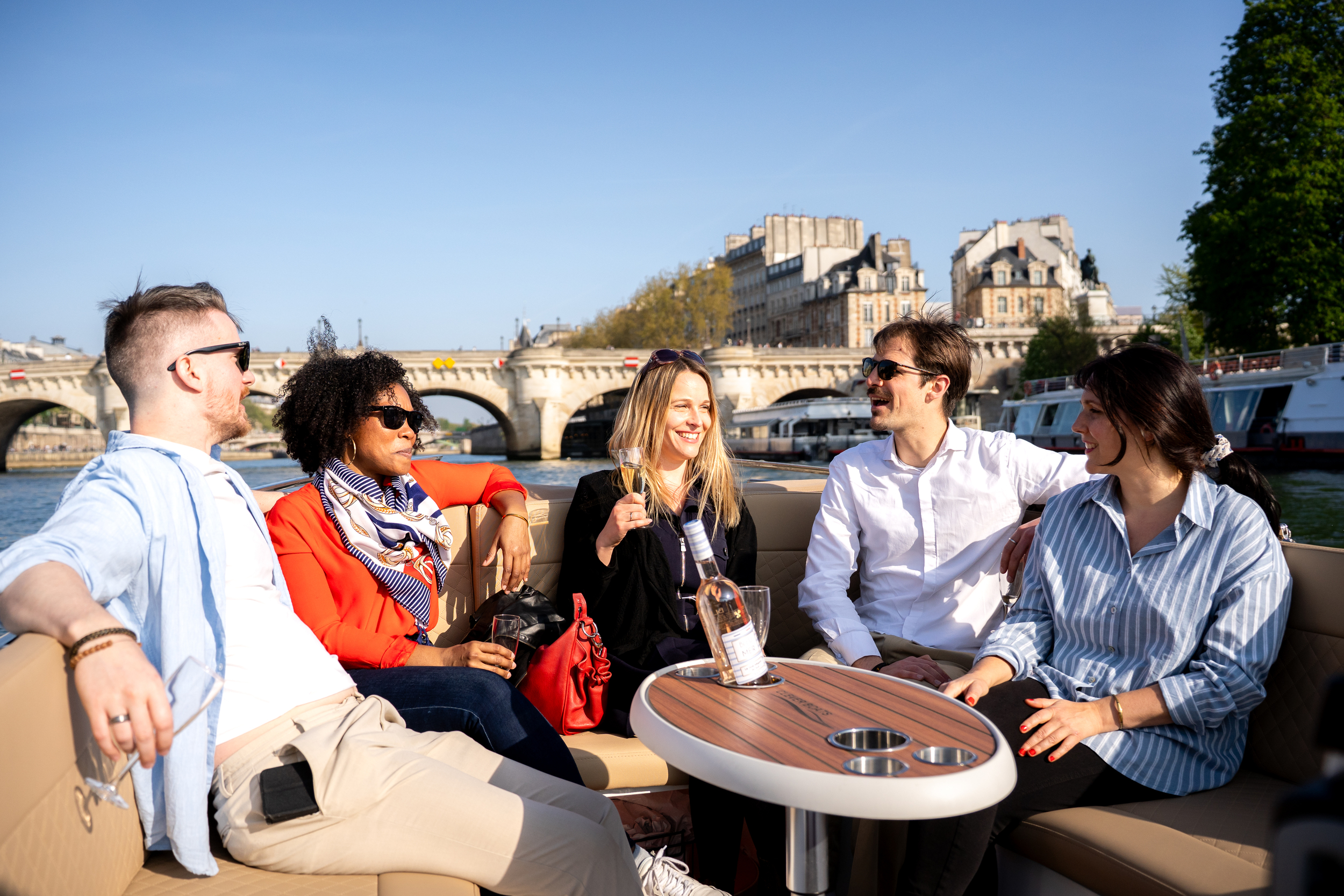
A truly premium approach to discovering the local waters requires ample privacy, dedicated physical space, and a highly personalized pace. Bypassing the crowded tourist vessels entirely in favor of a private watercraft allows visitors to engage intimately with the city on their own specific terms. Without the constant distraction of large tourist crowds, the gentle lap of the water against the hull and the intricate stonework details of the bridge arches become the primary focal points. A private setting organically fosters meaningful conversation, deep relaxation, and a genuine personal connection with the passing surroundings. This targeted approach allows the understated elegance of the French capital to reveal itself at a leisurely, uninterrupted, and highly enjoyable rhythm.
The Seine River has long been celebrated as the lifeblood of Paris, weaving through the city’s history, culture, and daily life. For those interested in exploring more about this iconic waterway, a related article can provide valuable insights into its significance and the various activities available along its banks. You can read more about it in this informative piece, which delves into the unique experiences that the Seine offers to both locals and visitors alike.
Creating a Lasting Memory with Boat in Paris
| Reasons | Metrics |
|---|---|
| Tourist attraction | 12 million visitors annually |
| Historical significance | Over 2000 years of history |
| Transportation | 12 bridges connecting the city |
| Cultural events | Various festivals and events held along the river |
| Recreational activities | Boat cruises, picnics, and riverside walks |
For discerning travelers seeking a refined, highly memorable exploration of the river, Boat in Paris offers a distinguished and deeply comfortable alternative to mass-market tourism. By providing entirely bespoke, fully private boat tours, the company guarantees an experience that is never shared with outside strangers, ensuring complete exclusivity for you and your chosen companions.
A Thoughtfully Designed Ninety-Minute Journey
The premium itineraries carefully crafted by Boat in Paris deliberately focus on delivering a measured, unhurried voyage entirely through the historic center. Spanning ninety comfortable minutes, the journey allows ample time to properly appreciate the shifting classical architecture without ever feeling rushed. The designated departure point is highly convenient, located merely a fifteen-minute walk from the base of the Eiffel Tower, making it an effortless and stress-free addition to any daily sightseeing schedule. Upon boarding the private vessel, guests immediately step away from the bustling, noisy streets and enter a secluded, comfortable environment designed entirely for their specific enjoyment and relaxation.
Local Expertise and Authentic Hospitality
A highly significant advantage of this private excursion is the direct presence of an experienced pilot who simultaneously serves as a deeply knowledgeable local guide. Instead of listening passively to a standardized audio track, guests enjoy a dynamic, personalized conversation about the city’s unfolding history. The pilot enthusiastically shares engaging stories, historical anecdotes, and widely unknown facts about the grand landmarks drifting gently by. Whether a passenger is curious about the complicated engineering construction of the Pont des Arts or the hidden revolutionary history of the Conciergerie, the pilot actively adapts the verbal narrative to match specific personal interests. This interactive, fundamentally human element greatly enriches the journey, transforming a beautiful boat ride into a highly educational and culturally immersive afternoon.
Premium Touches for Exclusive Group Experiences
Boat in Paris expertly caters to various intimate group sizes, comfortably accommodating up to twelve guests on a single impeccably maintained vessel. This flexibility makes the excursion an ideal option for romantic couples seeking a quiet, secluded moment together, families wanting to share a deeply special activity in a safely contained space, or a small group of friends celebrating a major life milestone. To further enhance the welcoming atmosphere, the onboard experience generously includes complimentary chilled rosé wine and traditionally baked French macarons. Sipping a crisp glass of wine while savoring a delicate almond pastry, directly on the waters of the famous river, flawlessly captures the very essence of the renowned local lifestyle.
Securing Your Private Excursion
Travelers consistently describe their dedicated time with Boat in Paris as the absolute highlight of their entire visit to the capital. The service provides a remarkably rare combination of total privacy, deep local expertise, and unparalleled visual splendor. Reserving a private cruise entirely guarantees that your personal encounter with the city’s most important waterway will be marked heavily by elegance rather than typical travel inconvenience. By purposefully choosing a private departure, you firmly ensure your valuable time on the water remains a deeply peaceful, highly sophisticated, and entirely personal memory that will last for decades.
The river continues to pump vital energy into the very center of the metropolis. It firmly remains the geographical anchor, the architectural mirror, and the grand cultural stage upon which the city’s complex history is continually written. To accurately comprehend the capital, one must inevitably spend quality time navigating its historic waters. Opting for a private, expertly guided experience effortlessly transforms a standard sightseeing requirement into an unforgettable maritime retreat. As the vast stone facades of the Louvre slowly fade into the distance and the towering iron lattice of the Eiffel Tower clearly comes into view, a private cruise beautifully reveals the true soul of the city—quiet, majestic, and endlessly captivating.