Paris has a long, documented history with the moving image that dates back over a century. From the earliest experimental films birthed by the Lumière brothers to the groundbreaking, handheld techniques of the French New Wave directors like Jean-Luc Godard and François Truffaut, the French capital provides a visually rich texture that filmmakers constantly seek. Today, this tradition continues with high-end digital productions, professional travel vloggers, and independent creators capturing the city. The architecture, the shifting quality of light, and the distinctive urban atmosphere combine to create a compelling backdrop.
When planning a video project or independent film, location scouting remains a critical and demanding step. Among the myriad of available locations, the Seine River stands out as a highly effective environment for capturing the authentic essence of the city. Filming from the water offers distinct advantages over shooting from land, providing fluid mechanics, unique vantage points, and a dynamic interaction with natural light that land-based shoots often struggle to achieve.
The river acts as the primary artery of Paris, cutting directly through the historical center and dividing the Left and Right Banks. This waterway offers a continuous, uninterrupted tracking shot through centuries of architectural history, turning a simple boat ride into a highly kinetic filming opportunity.
Historical Architecture Meets Flowing Water
When a camera is mounted on a moving vessel, the resulting footage gains an inherent, smooth momentum that mimics an expensive dolly track. Framing shots along the Seine means incorporating the intricate stone bridges that connect the city. Structures like the Pont Alexandre III, featuring its elaborate Beaux-Arts style, gilded sculptures, and ornate iron lampposts, provide dense visual information that enriches the cinematic frame. Traversing beneath these historic bridges offers natural, in-camera transitions for video editors, as the temporary shadow gives way sharply to bright daylight, revealing a completely new neighborhood or landmark. The constant juxtaposition of solid, timeless stonework against the continuously shifting, rippling surface of the river creates a sophisticated visual tension that translates beautifully to the screen.
Natural Lighting and Reflections
Professional cinematographers understand that a large body of water behaves as a massive, natural bounce board. The water of the Seine reflects ambient light upward, filling in harsh shadows on subjects’ faces and providing a flattering, soft illumination that remains difficult to replicate with heavy, artificial equipment. During the early morning hours or the popular late afternoon golden hour, the sun strikes the water at a particularly low angle. This interaction creates a warm, atmospheric glow across the limestone facades lining the riverbanks. Capturing this reflected light adds significant depth and complexity to the footage, allowing modern digital sensors to render the city in a textured manner without requiring extensive post-production color changes.
If you’re interested in exploring more about the enchanting experience of filming in Paris, you might find the article on boat rentals particularly useful. It highlights various options for cruising along the Seine, which can provide a unique perspective for filmmakers. You can read more about it in this article: Boat Rentals in Paris.
Iconic Parisian Landmarks from a Unique Angle
Navigating the streets of Paris with camera equipment often involves managing crowds, waiting for heavy traffic to clear, and struggling to find a clean, uncluttered background. The river mitigates these logistical hurdles entirely, offering an open path through the very center of the metropolis.
The Eiffel Tower Unobstructed
Capturing a unique shot of the Eiffel Tower frequently challenges filmmakers, given its status as a densely populated tourist destination. Filming from the river establishes physical distance while preserving the massive scale of the monument. The sweeping curve of the Seine allows the tower to drift into the frame gradually. The lack of foreground distractions—such as tour buses or crowds of pedestrians—ensures the focus remains entirely on the subject and the iron lattice structure looming in the distance. This perspective yields entirely clean sightlines that convey a sense of exclusivity and elegance, allowing the camera to capture the monument from base to spire without obstruction.
Gliding Past Notre-Dame Cathedral and the Louvre
The sheer scale of historical buildings like the Louvre Museum makes them notoriously difficult to photograph adequately from the adjacent sidewalks. A vessel traversing the water allows for an extended, elegant pan, capturing the immense horizontal spread of the museum’s Renaissance architecture in one fluid motion. Similarly, viewing the Île de la Cité and the historic Notre-Dame Cathedral from the water level reveals the flying buttresses, intricate stonework, and looming facades from an angle that highlights their precise geometry. Further down the river, the iconic clock faces of the Musée d’Orsay and the imposing, medieval towers of the Conciergerie emerge into view. The river path offers a continuous tracking motion that perfectly matches the grandeur of these historical monuments.
Practical Strategies for Filming on the Water
Executing a successful shoot on a moving river requires specific preparation and technical adjustments. The environment introduces variables that differ significantly from a standard land-based location, requiring filmmakers to adapt their equipment and techniques accordingly.
Equipment Choices for Moving Vessels
Even on completely calm days, a boat experiences subtle pitching and rolling caused by underlying currents and passing vessels. Utilizing a three-axis gimbal or advanced internal camera stabilization becomes highly important to maintain smooth, professional-looking footage. Wide-angle lenses generally perform better in this exact environment, as they consciously minimize the appearance of minor vibrations that a long, telephoto lens would otherwise exaggerate. Furthermore, maintaining proper camera settings ensures the motion blur of the passing water appears entirely natural to the human eye. Additionally, a circular polarizing filter proves invaluable when filming near the Seine. Adjusting the filter mechanically reduces the harsh glare bouncing off the surface, returning deep blue and green tones to the water and significantly increasing the contrast of the clouds in the sky above.
Managing Audio on the River
Capturing clean audio outdoors in an urban environment presents a persistent challenge for any production team. The Seine is relatively peaceful, but wind blowing across the open channel and the sound of distant traffic still pose real issues. Standard shotgun microphones mounted directly on the camera will inevitably record wind interference. A more effective strategy involves miking your on-camera talent with wireless lavalier microphones equipped with wind muffs, often referred to in the industry as deadcats. If the visual narrative requires external ambient sound, recording “room tone” of the river during a quiet moment provides the editor with a consistent audio bed to smooth out cuts during the post-production phase.
Why a Private Boat Is the Ultimate Filming Platform
When planning a video production, maintaining control over the shooting environment remains paramount. Trying to film a professional project or an engaging travel vlog on a large, public sightseeing boat ultimately leads to operational frustration.
Escaping the Crowds
Public river cruisers carry hundreds of passengers simultaneously. Attempting to frame a clean shot while tourists inadvertently bump into your tripod, speak loudly off-camera, or walk directly into your frame severely limits what you can accomplish. Reserving a fully private cruise with a company like Boat in Paris resolves these issues comprehensively. Your team gains exclusive access to the vessel, meaning you never share the space with strangers. This exclusivity allows directors, photographers, and talent to communicate freely, block out scenes without interruption, and capture multiple takes until the framing and delivery are flawless.
The Benefit of a Knowledgeable Pilot
Another significant advantage of utilizing Boat in Paris for a production lies in the expertise of their staff. The pilot of the boat serves a dual purpose. First, they handle the precise navigation, allowing your crew to focus entirely on operating the camera and framing the visuals. Second, these pilots function as knowledgeable guides. They know the river intimately, understanding exactly when a specific landmark will come into view and how the boat should be positioned to provide the best possible background. Hearing their engaging stories and historical anecdotes about Paris also gives vloggers and documentary filmmakers excellent, authentic material to incorporate into their narrative scripts. Having a captain who understands your need for a specific camera angle or a slower approach to a bridge elevates the entire production process.
Filming in Paris offers a unique charm, and the Seine River stands out as a perfect backdrop for many cinematic moments. For those interested in exploring more about the enchanting locations along the Seine, you might find the article on the best spots for filming in the city particularly insightful. It highlights various picturesque scenes that capture the essence of Paris, making it a must-read for filmmakers and enthusiasts alike. You can check it out here.
Enhancing the On-Screen (and Off-Screen) Experience
| Location | Benefits |
|---|---|
| Seine River | Iconic backdrop, historical significance, beautiful scenery |
| Landmarks along the Seine | Opportunity for diverse shots, cultural significance |
| Accessibility | Easy transportation, proximity to other filming locations |
| Permitting process | Streamlined for filming, support from local authorities |
A successful shoot depends heavily on the comfort and morale of the crew and the talent. Providing a premium, relaxed environment directly impacts the quality of the final footage and the authenticity of the performance.
Logistics and Embarkation
Logistical considerations heavily dictate the schedule on any filming day. Moving heavy equipment, talent, and crew through a bustling city expends valuable time and energy. The departure point for a Boat in Paris cruise sits roughly a 15-minute walk from the Eiffel Tower. This central, easily accessible location simplifies the process of getting gear and personnel to the dock without requiring lengthy commutes across town. The standard cruise duration of 90 minutes provides a generous window to film various segments, capture a wealth of B-roll, and conduct on-camera interviews without feeling rushed by a tight, demanding deadline.
Creating the Perfect Vibe
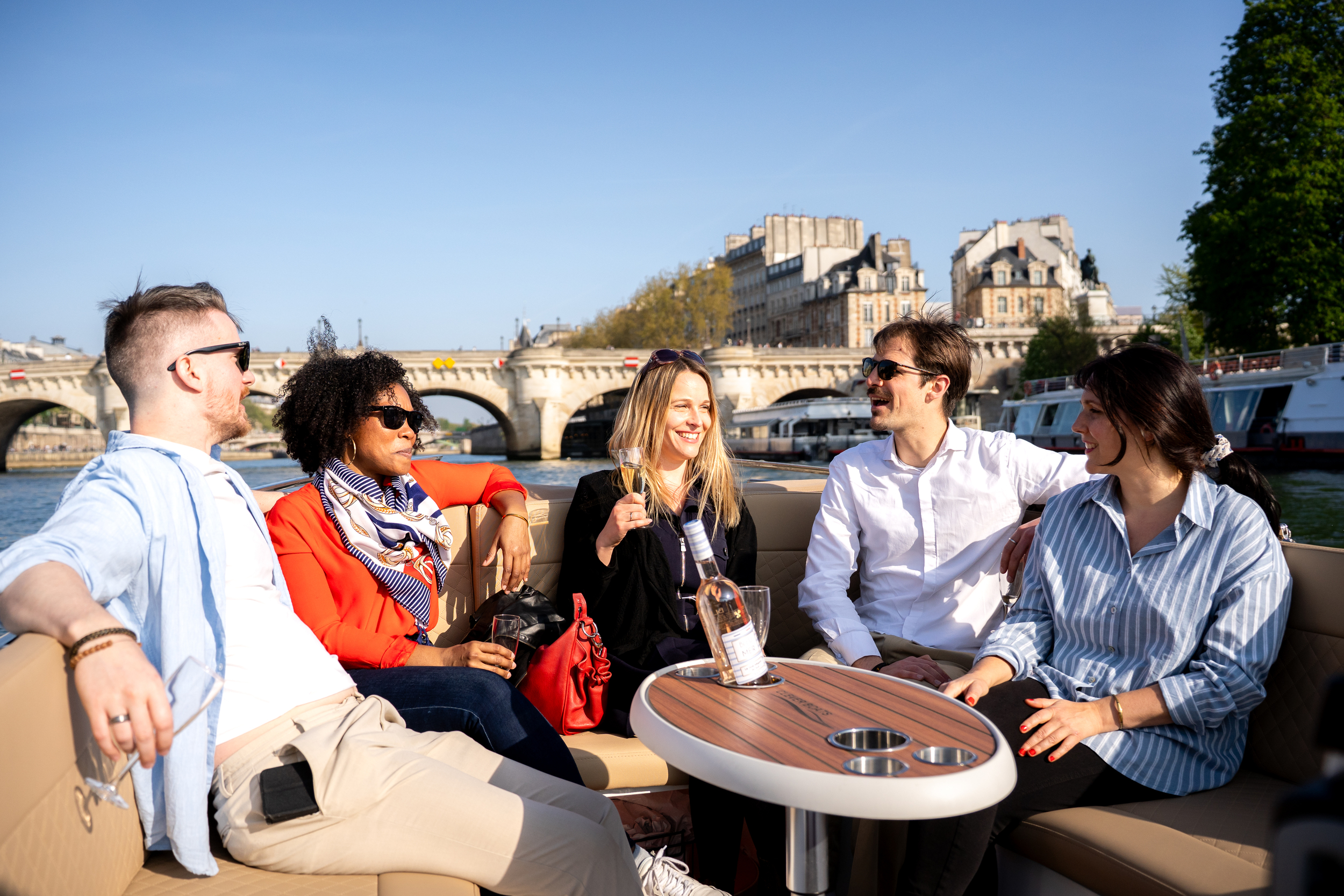
The visual narrative of a travel video often requires distinct lifestyle elements to convey the authentic atmosphere of the French capital. Handing your talent a relevant prop or creating a relaxed setting improves the scene immeasurably. Boat in Paris enhances this specific aspect by providing complimentary rosé wine and authentic macarons during the voyage. These highly visual elements look brilliant on camera, immediately signaling a quintessential Parisian experience to the viewer. Furthermore, comfortably accommodating up to 12 guests means a small production crew, the main talent, and perhaps an observing client can all travel together seamlessly. Clients consistently report that this specific cruise becomes the highlight of their trip to Paris, a sentiment that translates directly into genuine, relaxed smiles on camera rather than stiff, overly posed expressions.
Navigating the Seasons: When to Film
The overall aesthetic of the final video will change dramatically depending on the specific time of year you choose to schedule the production. The riverbanks transform fully with the passing seasons, offering distinct visual moods for different kinds of creative projects.
Spring and Summer Vibrancy
From April through August, the trees lining the Seine are dense with bright green foliage. The long daylight hours provide extended windows for filming, particularly the desired golden hour, which can stretch late into the summer evening. The city feels lively, and the bright sunlight sparkling off the surface of the river creates an energetic, optimistic tone perfectly suitable for travel lifestyle videos and engaging vlog content. The warm breeze makes the experience highly pleasant for talent appearing on camera in lighter wardrobe choices.
Autumn and Winter Moods
Producing a film on the river between October and March yields entirely different visual results. As the autumn leaves fall, the intricate architectural details of the historic buildings become much more visible from the water. The extremely low angle of the winter sun casts long, dramatic shadows across the stonework along the embankments. Morning shoots during these colder months often feature a delicate mist rising from the surface of the water, adding a moody, atmospheric tone to the footage. This subtle, diffused lighting suits narrative filmmaking and independent projects requiring a more contemplative, elegant visual aesthetic.
Capturing the visual poetry of the French capital requires thoughtful location planning, a solid understanding of natural light, and the right logistical execution. The Seine provides an unparalleled canvas, offering dynamic movement and pristine angles of world-renowned architectural landmarks. To maximize this potential, securing a private, controlled environment remains essential for a smooth, professional production. A tailored, 90-minute voyage with Boat in Paris guarantees your creative crew the necessary space, comfort, and navigational expertise required to execute a flawless shoot. With exclusive deck access, engaging local insights from your pilot, and the luxurious, camera-ready touch of complimentary wine and macarons, the river will look beautiful through the lens while providing a highly memorable experience for the entire team all at once.