
The Seine River, a ribbon of liquid history, has long served as the lifeblood of Paris, carving its way through iconic landscapes and witnessing centuries of change. From its humble beginnings as a waterway for trade and transport, it has evolved into a central artery for tourism, offering a unique perspective on the City of Light. This exploration delves into the experience of a private boat tour on the Seine, focusing on the specific services provided by Boat in Paris, and contrasting it with the more conventional large-scale tourist excursions.
Early Settlement and Strategic Significance
The strategic location of the Seine River was recognized from the earliest days of Parisian settlement. The Parisii, a Gallic tribe, established their initial stronghold on the Île de la Cité, an island in the Seine, around the 3rd century BC. This central position provided both a defensible location and access to vital trade routes. The river facilitated the movement of goods and people, contributing to the burgeoning development of the settlement into what would become one of Europe’s most influential cities. Its waters were essential for agriculture, providing irrigation for the surrounding fertile plains, and for sustenance, through fishing.
Medieval and Renaissance Development
During the medieval period, the Seine’s role as a commercial highway intensified. Port facilities sprung up along its banks, handling a constant flow of commodities from across France and beyond. Guilds of river merchants, such as the Nautae Parisienses, wielded considerable economic and political power. The construction of bridges, some of which, like the Pont Neuf, still stand today, further cemented the river’s integration into the urban fabric. By the Renaissance, Paris had firmly established itself as a major political and cultural center, with the Seine reflecting this grandeur through the construction of magnificent palaces and churches along its course, visible from the water.
The Industrial Age and Urban Transformation
The Industrial Revolution brought about significant changes to the Seine. While earlier periods saw the river as a source of natural power and a conduit for artisanal production, the 19th century witnessed its transformation into a logistical hub for heavy industry. Warehouses, factories, and industrial docks lined its banks. Baron Haussmann’s ambitious city planning project during the Second Empire also had a profound impact, redrawing the cityscape and incorporating the Seine into its grand boulevards and vistas. Although industrial activity has largely receded, the legacy of this era is still visible in the architectural remnants and the river’s broadened embankments.
The Modern-Day Seine: A Tourist’s Canvas
The Evolution of River Tourism
In the 20th and 21st centuries, the Seine has undergone a significant shift in its primary function, transitioning from an industrial artery to a premier tourist attraction. The development of large-scale passenger boats, often referred to as “bateaux-mouches” or river cruise boats, began in the post-World War II era. These vessels were designed to offer panoramic views of Parisian landmarks to a mass audience, becoming an iconic symbol of the tourist experience in Paris. Their ubiquity and accessibility have made them a default choice for many visitors seeking to see the city from its aquatic perspective.
Iconic Landmarks Along the Riverbanks
The Seine’s journey through Paris is a curated exhibition of human achievement and artistic expression. As one traverses its waters, a chronological and thematic journey unfolds. The western reaches introduce the sprawling grandeur of the Eiffel Tower, a testament to 19th-century engineering ambition. Moving eastwards, the iconic silhouette of Notre Dame Cathedral emerges, a Gothic masterpiece that has weathered centuries of history. The Louvre Museum, home to treasures spanning millennia, stands as a sentinel on the right bank. Further along, the Musée d’Orsay, housed in a former Beaux-Arts railway station, showcases Impressionist and Post-Impressionist art. The graceful bridges, each with its own distinct architectural style, are not merely crossings but integral components of the cityscape, framing the views and adding to the river’s aesthetic appeal.
The “Bateaux-Mouches” Phenomenon
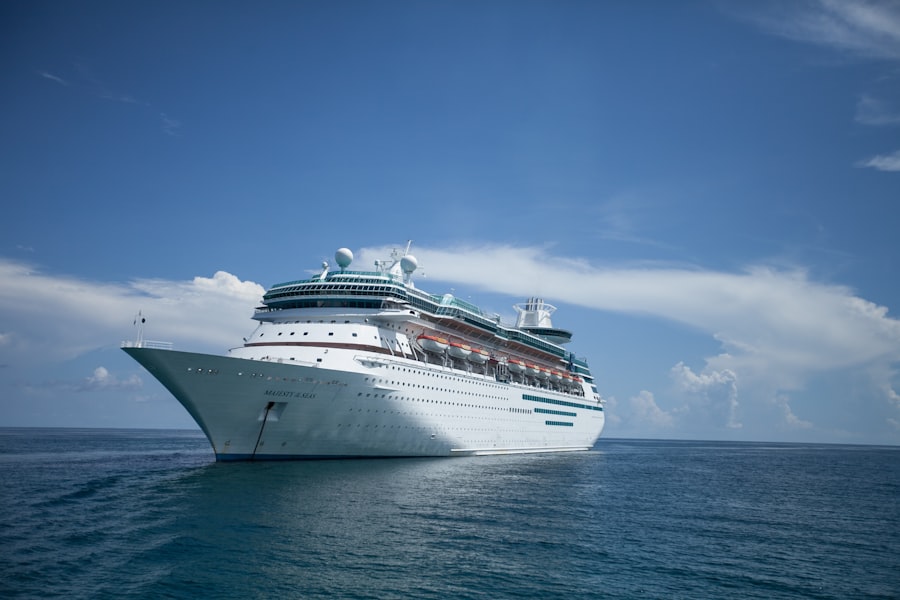
The large tourist boats, with their multi-deck structures and often glass-enclosed saloons, are a familiar sight on the Seine. These vessels are designed for high passenger capacity, often accommodating hundreds, if not over a thousand, individuals at a time. Their typical configuration is that of a hop-on hop-off service or scheduled departures with fixed itineraries. The commentary provided is usually pre-recorded or delivered by a guide in multiple languages, aiming to cover the major historical and architectural highlights. This model prioritizes volume and broad accessibility, making the Seine cruise a readily available and relatively affordable option for the majority of tourists.
The Intimate Experience: A Private Boat Tour
The Rationale for Private Excursions
While the large tourist boats offer a comprehensive overview of the Seine’s attractions, the desire for a more personalized and immersive experience has led to the growth of private boat tours. These excursions cater to a niche market seeking an alternative to the mass-market approach. The primary appeal lies in the intimacy of journeying in a smaller vessel, allowing for a more direct connection with the surroundings and the guide. This approach moves the experience from that of an observer in a crowd to that of a participant in a curated exploration.
The Boat in Paris Service: A Case Study
Boat in Paris represents a specific offering within the private boat tour sector. Their service emphasizes a departure from the conventional tourist boat experience, aiming to provide a more curated and comfortable journey. The operational model focuses on smaller, potentially bespoke, vessels that are designed for passenger comfort and maneuverability. The intention is to offer a unique vantage point and a more engaging narrative than can be achieved on larger, more formalized tours.
The Vessel: Comfort and Design
The vessels used by Boat in Paris are described as new and comfortable. This suggests a focus on modern amenities and a design that prioritizes the passenger experience. Unlike the utilitarian design of many large tour boats, smaller private vessels can offer a more intimate setting. This might include comfortable seating, adequate space for movement, and perhaps even amenities such as open-air decks for unobstructed views. The implication is that the boat itself is a key component of the overall experience, contributing to the sense of a special outing rather than a standard transportation method.
The Pilot/Guide: An Indispensable Element
A significant differentiator of private boat tours, as exemplified by Boat in Paris, is the role of the pilot/guide. On larger boats, the guide is often a separate entity from the operational crew, delivering pre-planned commentary. In the context of a private tour, the pilot is often also the guide, creating a direct and personal connection with the passengers. This individual is responsible for both navigating the vessel and providing insights into the sights and history of the Seine.
Language Proficiency and Communication
The effectiveness of a multilingual guide is paramount for international visitors. Boat in Paris highlights the pilot’s perfect English, indicating a commitment to clear and nuanced communication. This allows for a deeper understanding of the historical context, architectural significance, and cultural nuances associated with the landmarks observed. The ability to engage in natural conversation, rather than merely delivering pre-scripted information, transforms the tour into an interactive dialogue. This is a stark contrast to the experience on larger boats where language barriers can sometimes limit engagement.
Timing and Itinerary Flexibility
The timing of a boat tour can significantly impact the overall enjoyment. Private tours often offer a degree of flexibility not available on scheduled, mass-market operations. Boat in Paris emphasizes excellent timing, suggesting that they are adept at optimizing the journey to coincide with favorable light conditions, avoid peak congestion, or cater to the specific preferences of the passengers. This could translate to choosing a sunset cruise for romantic ambiance or a daytime tour for optimal photography opportunities. The ability to tailor the duration and pace of the tour is a considerable advantage.
The Human Connection: Beyond the Scenery
The presence of a dedicated, engaging pilot/guide on a private tour fosters a unique human connection. This goes beyond simply pointing out landmarks; it involves sharing personal anecdotes, answering questions in real-time, and building a rapport with the passengers. This interactive element transforms the tour from a passive viewing experience into an active, engaging one. The pilot becomes not just an informant but a companion, sharing their knowledge and passion for Paris.
The Immersive Nature of Small Groups
The advantage of private boat tours lies in their inherent intimacy. A smaller group size fundamentally alters the dynamic of the experience. On a large tourist boat, passengers can often feel like anonymous individuals within a vast collective. In contrast, a private tour, by its very definition, involves a limited number of people, typically a single party. This allows for a more relaxed and personal atmosphere.
Enhanced Engagement and Interaction
With fewer individuals, there is a greater opportunity for meaningful interaction between passengers and the guide. Questions can be asked and answered without the need to shout over a crowd or wait for a designated question period. This facilitates a more natural and spontaneous exchange of information and perspectives. The guide can adapt their commentary to the interests of the group, delving deeper into topics that pique their curiosity.
A More Personal Perspective
The smaller scale of the boat also allows for a more personal perspective of the city. Passengers are not jostling for space or a clear view. They can move around the boat, find their preferred vantage point, and truly absorb the atmosphere. The city unfolds around them in a less overwhelming, more intimate manner. This allows for a deeper appreciation of the architectural details, the subtle shifts in light, and the overall ambiance of Paris as seen from the Seine.
Comparing Experiences: Private vs. Commercial
The Scale Disparity: Passengers and Ambience
The most apparent difference between a private boat tour and a large commercial operation is the sheer scale of the passenger contingent. Commercial boats, designed for mass tourism, can carry hundreds, and in some cases, over a thousand passengers. This inherently creates a different atmosphere. The experience can be akin to being in a crowded public space, with noise, a constant flow of people, and a sense of anonymity. Private tours, in stark contrast, are characterized by their limited capacity. This reduction in numbers directly translates to a more serene and exclusive ambiance, allowing for a focus on the experience itself rather than managing the logistics of a large group.
The Cost Factor: Investment in Memorability
Private boat tours are generally more expensive than their commercial counterparts. This is a natural consequence of the smaller capacity and the more personalized service. The operational costs, while spread over fewer passengers, are still incurred, and the added value of exclusivity and personalized attention commands a higher price point. However, the argument can be made that this increased cost is an investment in a more memorable and impactful experience. The rationale is that the quality of the memories created justifies the financial outlay. For individuals or groups seeking an exceptional experience, the price difference becomes secondary to the value derived.
The Value of Conversation and Connection
A key element that distinguishes private and commercial tours is the nature of the interaction with the guide. On large commercial boats, the guide’s role is often functional, delivering scripted information to a large audience. While informative, this can lack the depth and personal touch of a one-on-one or small-group engagement. In a private tour setting, the guide is often a central figure, actively engaging in conversation with passengers throughout the duration of the trip. This allows for a more organic exchange of knowledge, the answering of specific questions, and the sharing of personal insights. This conversational dynamic transforms the tour from a lecture to a dialogue, fostering a deeper connection with both the guide and the city.
Beyond the Landmark Checklist
The conversational aspect of private tours allows for a deeper exploration of Paris beyond a mere checklist of famous landmarks. The guide can tailor their narrative to the specific interests of the passengers, weaving in local lore, historical anecdotes, or even contemporary observations about Parisian life. This allows for a richer, more nuanced understanding of the city. The information provided becomes more than just facts; it becomes a narrative that resonates with the individual experience of the passengers.
The Pilot as a Personal Ambassador
In the context of private tours, the pilot often acts as a personal ambassador for the city. Their passion for Paris, their knowledge of its history and culture, and their ability to communicate this effectively can significantly enhance the experience. Passengers gain insights that they might not find in guidebooks or on pre-recorded audio tours. This personalized touch creates a more engaging and memorable journey.
The Added Touches: Enhancing the Experience
| Metric | Details |
|---|---|
| River | Seine River |
| Location | Paris, France |
| Average Cruise Duration | 1 to 2 hours |
| Popular Departure Points | Port de la Bourdonnais, Port de Solférino |
| Typical Cruise Distance | 5 to 10 kilometers |
| Number of Landmarks Visible | 15+ (Eiffel Tower, Louvre, Notre-Dame, etc.) |
| Best Time to Cruise | April to October, evening cruises for sunset views |
| Average Passenger Capacity | 50 to 200 people per boat |
| Types of Cruises | Daytime sightseeing, dinner cruises, private charters |
| Languages Offered | French, English, Spanish, German, and others |
Culinary Pairings: Wine and Pastries
A well-executed private boat tour often includes thoughtful additions that elevate the experience beyond mere sightseeing. In the case of Boat in Paris, the provision of “Rose à vins” (rosé wine) and macarons exemplifies this. These elements are not simply gratuitous additions; they are strategically chosen to complement the setting and enhance the sensory experience.
The Appeal of Rosé Wine on the Seine
Rosé wine, with its light and refreshing character, is often associated with leisurely outdoor activities and pleasant weather. Serving it on a boat cruising along the Seine, particularly during warmer months, creates a sense of indulgence and relaxation. The delicate flavors of a good rosé can be savored while taking in the picturesque views, adding a touch of sophistication to the outing. It transforms the simple act of sightseeing into a more refined and enjoyable occasion.
The Sweet Sophistication of Macarons
Macarons, with their delicate meringue shells and creamy fillings, are a quintessential Parisian confection. Their inclusion in the tour adds a touch of authentic Parisian flavor and luxury. The vibrant colors and diverse flavor profiles of macarons offer a delightful sensory experience. Paired with the wine and the scenic backdrop, they contribute to an overall feeling of celebration and enjoyment.
The Synergy of Sights, Sounds, and Tastes
The combination of the visual spectacle of Paris from the Seine, the engaging commentary of the pilot, and the delightful culinary offerings creates a synergistic experience. Each element enhances the others, leading to a more holistic and memorable occasion. The taste of the wine and macarons becomes intertwined with the images of iconic landmarks and the stories shared by the guide. This multi-sensory approach ensures that the experience engages multiple aspects of a guest’s perception, leading to a more profound and lasting impression.
The Verdict: A Must-Do Parisian Adventure
The Superiority of Intimate Journeys
The comparative analysis between large commercial river cruises and private boat tours strongly suggests a divergence in the quality of experience. While large boats serve a purpose in providing broad accessibility and a general overview, the limitations imposed by their scale prevent the kind of intimate and personalized engagement that defines a truly memorable journey. The private tour, by contrast, offers an immersive experience that allows for a deeper connection with the city and its narratives. The focus shifts from a mass-produced experience to one that feels curated and designed for the individual or small group.
The Unwavering Recommendation
Based on the observed benefits and the transformative nature of the experience, a private boat tour on the Seine, particularly through services like Boat in Paris, is presented as a compelling recommendation. The emphasis on a friendly, knowledgeable guide, the comfort and quality of the vessel, and the thoughtful additions of refreshments all contribute to an exceptionally positive outing. This experience is not merely a way to see the sights; it is an occasion that can become a highlight of a Parisian visit.
The Enduring Legacy of Memories
While the practicalities of travel are important, the creation of lasting memories remains a primary objective for most tourists. The intimate nature of a private boat tour, where conversations flow freely and the surroundings are absorbed without obstruction, fosters the conditions for such memories to be forged. The personal touch of the guide, the ability to fully appreciate the beauty of the city without the usual distractions of large crowds, and the shared enjoyment of simple pleasures like wine and macarons all contribute to an experience that is more likely to be cherished long after the trip has concluded. The reviews that acknowledge such positive experiences serve as a testament to the enduring appeal of this more exclusive approach to discovering Paris from its most iconic waterway.