Photographing the defining monument of the French capital remains a primary objective for nearly every traveler visiting the city. Countless similar images are captured daily from the crowded esplanades of the Trocadéro or the sprawling lawns of the Champ de Mars. However, capturing the Eiffel Tower from the water provides a distinctly different and highly compelling perspective. The River Seine winds directly past this architectural marvel, offering a vantage point that grounds the monumental iron structure within the living, moving artery of the city.
Securing the perfect photograph requires more than just pointing a camera at the sky. It involves understanding lighting, managing the environment, and finding unimpeded lines of sight. Moving away from the static, highly populated viewing platforms and stepping aboard a private vessel shifts the entire dynamic of your photography session. A carefully curated river journey transforms a standard sightseeing effort into an immersive, elegant pursuit, allowing you to document the Parisian skyline with intention and grace.
Escaping the Congestion of Traditional Viewpoints
The most popular locations for photographing the Eiffel Tower are frequently overwhelmed by pedestrian traffic, making it difficult to frame a clean shot without stray elbows or mobile phones entering your composition. Standing on a packed plaza requires significant patience to capture a moment of stillness. Shifting your vantage point to the surface of the river instantly eliminates this physical barrier. The water provides an open, expansive foreground that land-based locations simply cannot replicate.
When you embark on a river journey, the persistent crowds recede into the distance. The wide channel of the Seine serves as a natural buffer between your lens and the busy city streets. This separation allows you to focus entirely on your composition, rather than constantly adjusting your position to avoid other pedestrians. The resulting images carry a sense of calm and scale, emphasizing the grand architecture without the distraction of urban congestion.
Achieving Dynamic Angles and Water Reflections
Viewing the iron lattice structure from the water level introduces angles that simply do not exist from the pavement. Looking up at the monument from a boat emphasizes its towering height and intricate geometric design. The lower perspective makes the tower appear even more imposing against the sky.
Furthermore, the surface of the Seine acts as a dynamic mirror. On calmer days, the water captures a distorted, painterly reflection of the tower’s silhouette. Even when the current is active, the ripples catch the light and the colors of the monument, adding a compelling textural element to the bottom third of your photographs. River photography inherently introduces motion, leading to images that feel alive rather than static. Using a private vessel affords you the physical space to crouch low or lean comfortably against the railing, securing those highly sought-after reflection shots with ease.
If you’re interested in the unique perspectives of iconic landmarks, you might also enjoy reading about the various ways to experience the beauty of Paris from its waterways. An insightful article on this topic can be found at Boatin Paris, where you can learn about different boat tours that offer stunning views of the Eiffel Tower and other famous sites along the Seine River.
Timing Your River Journey for Optimal Lighting
Capitalizing on the Golden Hour Glow
Lighting dictates the mood and quality of any photograph, and the Eiffel Tower is highly responsive to the shifting sun. The period shortly before sunset, often referred to as the golden hour, bathes the city in a warm, diffused light. During this time, the harsh shadows of midday soften, and the forged iron of the tower takes on a rich, bronze hue.
Being on the water during this window provides exceptional photographic opportunities. The river itself reflects the amber and pastel tones of the sky, creating a cohesive color palette that wraps around the entire composition. A 90-minute river journey timed for the late afternoon allows you to document the gradual change in the atmosphere, starting with bright daylight and slowly transitioning into the deeper colors of the evening.
Documenting the Twilight Illumination
As daylight fades into twilight, the visual character of the monument changes entirely. Upon nightfall, the structure is illuminated from within, glowing fiercely against the darkening blue sky. For five minutes at the top of every hour after dusk, twenty thousand bulbs burst into a sparkling display.
Photographing this transition from a moving vessel presents a thrilling creative challenge. The dark water provides a contrasting backdrop that makes the illuminated tower stand out with remarkable clarity. Capturing the sparkling lights while floating quietly along the current yields images that convey the quintessential elegance of the city after dark. Planning your departure time to coincide with this twilight period ensures your camera captures the monument at its most visually striking.
Camera Equipment and Techniques for Moving Vessels
Selecting the Appropriate Lenses
Photographing a monumental structure from a moving boat requires thoughtful consideration regarding equipment. While standard smartphone cameras perform admirably, utilizing dedicated camera gear allows for greater creative control. A wide-angle lens, typically in the 16mm to 35mm range, is exceptionally useful when you are directly parallel to the tower. It allows you to fit the entire structure into the frame, from the base to the antenna, even when the boat is relatively near the riverbank.
Conversely, carrying a medium telephoto lens, such as a 24-70mm or 70-200mm, offers the ability to isolate specific architectural details. Gustave Eiffel’s design features fascinating geometric patterns, large arched bases, and intricate ironwork. Using a longer focal length enables you to compress the perspective, bringing the detailed lattice closer and emphasizing the industrial beauty of the construction.
Mastering Exposure Settings on the Water
Photography from a watercraft inherently involves movement, both from the boat’s engine and the natural current of the river. To maintain sharp images of the tower, shutter speed becomes the most critical setting. A faster shutter speed, generally exceeding 1/250th of a second, helps to freeze the motion and prevent blurring.
As twilight approaches and available light diminishes, relying on a fast shutter speed requires adjusting other settings to ensure proper exposure. Raising your ISO cautiously ensures the sensor absorbs enough light without introducing excessive digital noise. A lens with a wide maximum aperture, such as f/2.8, is highly advantageous in these conditions. Balancing these settings while the boat navigates the river allows for crisp, well-exposed images of the towering landmark, regardless of the time of day.
Framing the Iron Lady with Parisian Architecture
Utilizing Bridges as Natural Frames
The River Seine is spanned by dozens of historical bridges, many of which serve as magnificent compositional tools. Rather than simply placing the Eiffel Tower in the center of your frame, you can use the arches and ornate lamp posts of the bridges to create natural borders around the monument.
As your vessel passes beneath structures like the Pont d’Iéna or the extravagant Pont Alexandre III, the shifting perspective opens temporary visual windows. Capturing the tower just as it emerges from behind a stone arch adds profound depth and context to the photograph. It connects the singular monument to the broader historical architecture of the city. A private boat pilot understands these visual opportunities and steers the vessel so guests can maximize these fleeting, picturesque moments.
Contextualizing the Skyline
While the Eiffel Tower is undoubtedly the focal point, the surrounding skyline provides essential environmental context. From the water, you can capture the tower alongside the grand museums, tree-lined promenades, and Haussmannian buildings that characterize the central districts.
Including the varied textures of the city in your photographs tells a more complete visual story. The riverbed, the passing houseboats, and the old stone retaining walls offer foreground elements that lead the viewer’s eye up toward the iron spire. This layered approach to photography results in images that are far more sophisticated than a simple, isolated snapshot of the tower.
If you’re interested in unique perspectives of Paris, you might also enjoy an article on exploring the Seine River by boat, which offers stunning views of iconic landmarks, including the Eiffel Tower. This experience allows visitors to appreciate the city’s beauty from a different angle, making it a memorable addition to any trip. For more information, check out this insightful piece on the subject here.
Elevating the Journey with a Premium Private Setting
| Metrics | Data |
|---|---|
| Distance from the Eiffel Tower | Approximately 400 meters |
| Best time for capturing | Early morning or late afternoon for soft light |
| Recommended equipment | Telephoto lens for close-up shots |
| Challenges | Dealing with water reflections and boat movements |
Unrestricted Movement for the Perfect Composition
Public sightseeing boats frequently pack hundreds of passengers onto a single deck. In that environment, you are typically restricted to a single seat, severely limiting your ability to find the right angle or adjust your framing. If another passenger stands up, your carefully composed shot is instantly ruined.
Booking a fully private boat tour entirely resolves this issue. With a company like Boat in Paris, the vessel is exclusively reserved for your party. Because these boats never combine bookings with strangers, you have complete freedom to walk around the deck. You can move from port to starboard, sit low at the bow, or stand at the stern to capture the receding skyline. This unrestricted mobility is paramount for serious photography, allowing you to react instantly to changing light and shifting perspectives as the boat glides down the river.
A Tailored Environment for Intimate Groups
Creating high-quality imagery demands focus, which is difficult to achieve in overwhelming, noisy environments. A private cruise offers a serene atmosphere tailored for couples, families, and small groups of up to twelve guests. The scale of the boat fosters an intimate environment where you can comfortably arrange your equipment, review your shots, and converse quietly with your companions.
Departing from a convenient location, roughly a 15-minute walk from the Eiffel Tower, the experience begins smoothly without the stress of navigating large tourist docks. This seamless embarkation process sets a calm tone for the ensuing 90-minute journey. You have ample time to take your photographs without feeling rushed, ensuring you secure the visuals you desire while still enjoying the transit through the heart of the city.
If you’re interested in unique perspectives of iconic landmarks, you might enjoy exploring the article on capturing the Eiffel Tower from the water. This piece delves into the enchanting experience of viewing the tower from a boat, highlighting the beauty of Paris from its famous Seine River. For more details on how to book a memorable cruise that offers stunning views, check out this link.
Combining Visual Mastery with an Immersive Experience
Savoring Complimentary Delights on Deck
Capturing beautiful photographs should balance with the actual enjoyment of the moment. A premium river experience acknowledges that the atmosphere on board is just as important as the monuments outside. As you dial in your camera settings and wait for the perfect alignment of the tower, you can also indulge in the refined comforts provided on the vessel.
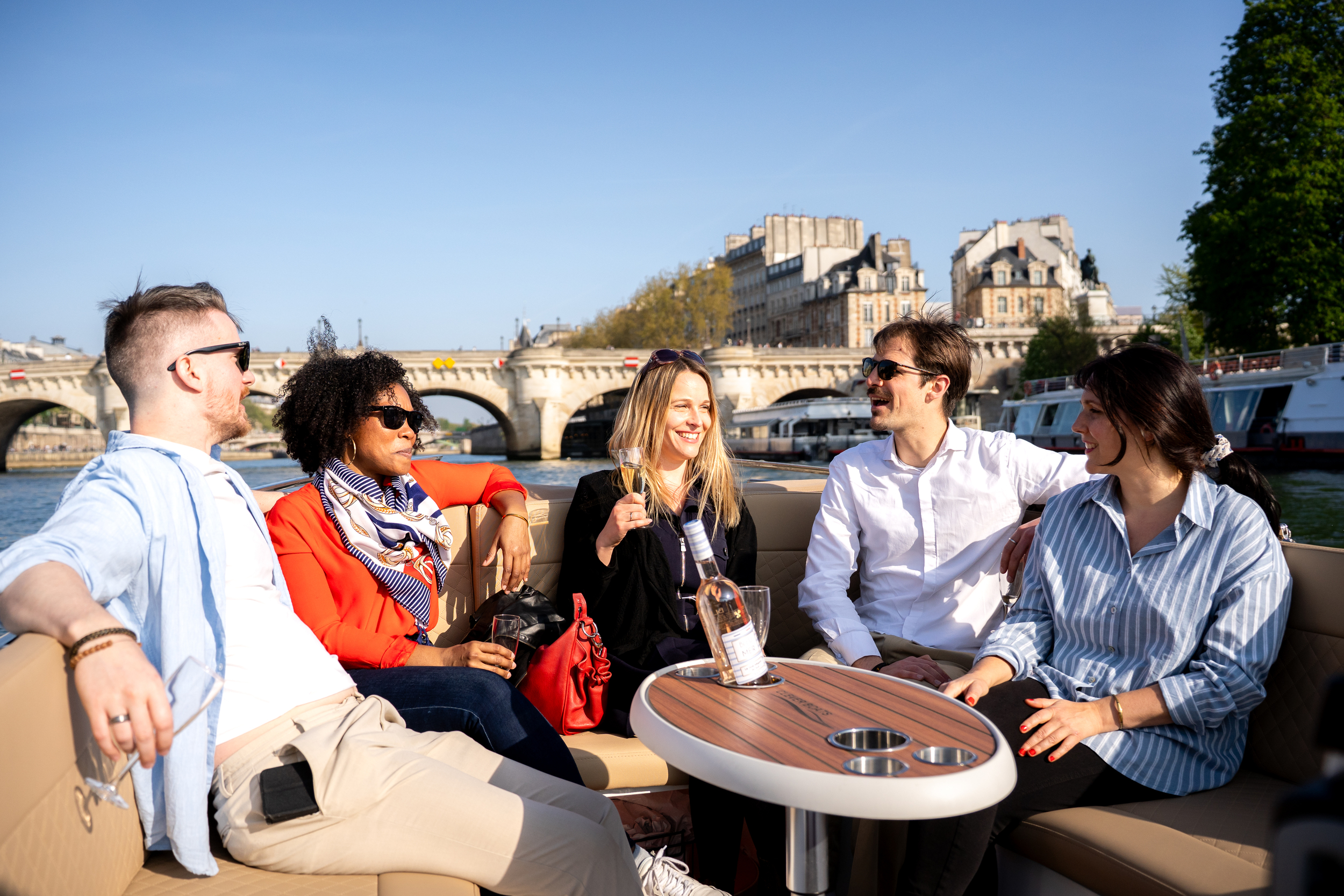
The Boat in Paris experience includes complimentary rosé wine and macarons for all guests. Holding a chilled glass of wine while floating past the illuminated iron structure elevates the entire endeavor. You are not merely documenting the city; you are actively participating in its lifestyle. The distinct flavors of the macarons and the crispness of the rosé provide a sensory layer to the afternoon. Many guests find that these thoughtful, elegant inclusions easily make this 90-minute journey the absolute highlight of their trip.
Engaging with a Knowledgeable Pilot
A truly memorable photography expedition benefits heavily from local expertise. On these private cruises, the pilot is not simply driving the boat; they also serve as a highly knowledgeable guide. They possess a deep understanding of the river’s flow, the city’s history, and the intricate stories surrounding the landmarks.
As you prepare to photograph the Eiffel Tower, the pilot shares engaging anecdotes about its controversial construction, its role during various historical eras, and the secrets hidden within its framework. Learning these details in real-time adds profound meaning to the images you are capturing. Knowing the history of the ironwork might inspire you to focus your lens on specific architectural joints or viewing platforms you might otherwise have ignored. This combination of visual exploration, expert storytelling, and premium hospitality creates an unparalleled environment for capturing the essence of the capital.
Providing completely private, unhurried, and highly hospitable journeys, Boat in Paris offers the definitive way to document the city from the water. Reserving your own private vessel ensures you capture the perfect photograph of the skyline while simultaneously experiencing the deep elegance of river navigation.