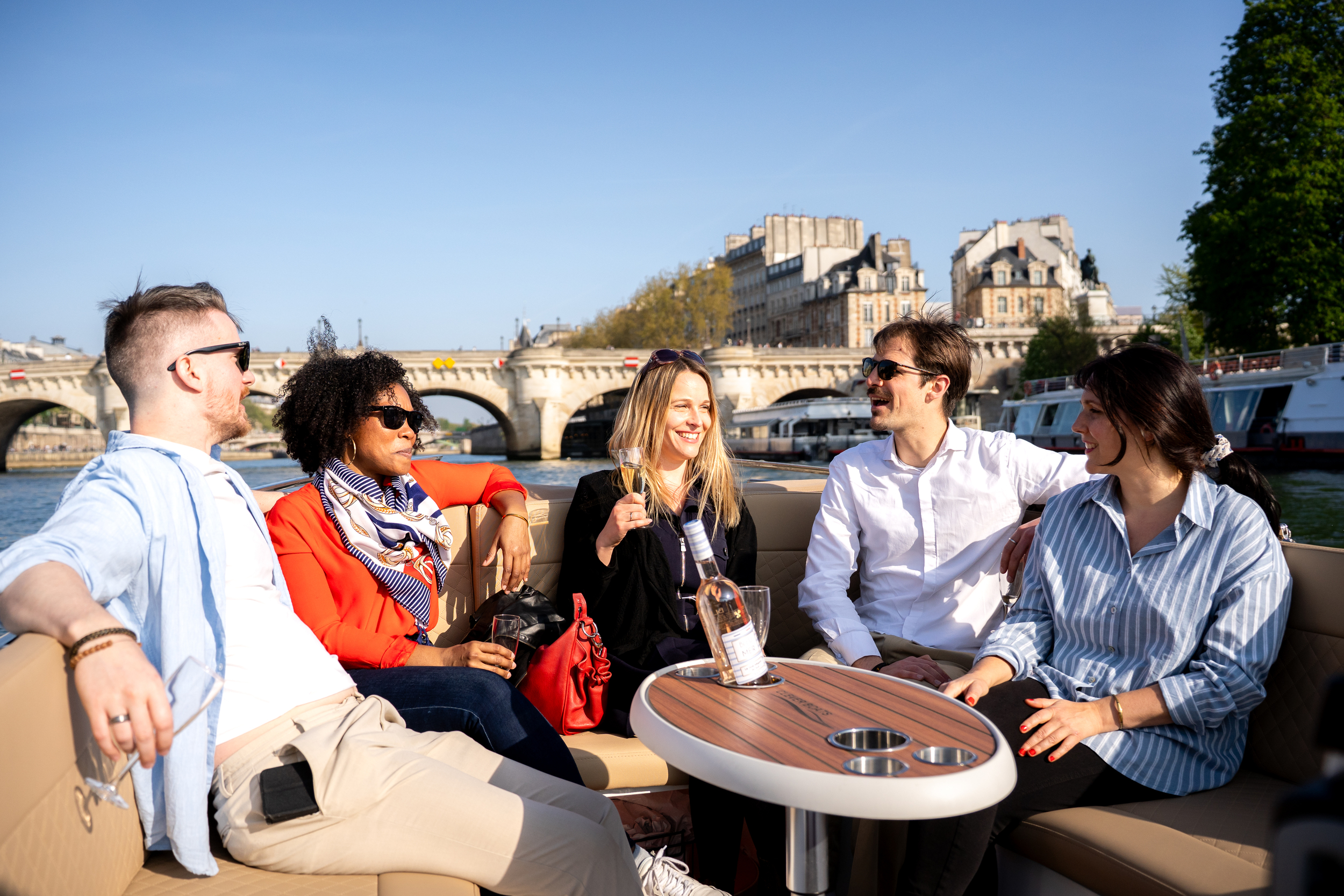
The Seine serves as the central artery of the French capital. While walking the paved streets reveals distinct neighborhoods, following the water offers a continuous narrative of human ambition, architectural evolution, and cultural shifts. To understand Paris, one must observe its river. The currents hold the memories of ancient tribes, medieval monarchs, and modern engineers. Viewing the city from its waterways provides an unbroken timeline of historical events, revealing how a small settlement on a muddy island grew into an expansive metropolis of stone and iron.
Historically, the river acted as a defensive moat, an economic highway, and a royal stage. Today, it remains the most authentic vantage point for observing the architectural heritage of the capital. Unraveling the past through the monuments lining the banks provides a comprehensive understanding of Parisian heritage.
Long before the grand boulevards materialized, a Celtic tribe known as the Parisii settled along the fertile banks of the river. They recognized the strategic value of the location. The waterways provided a natural defense against invaders and a reliable thoroughfare for transporting goods.
The Strategic Island of Île de la Cité
The earliest significant settlement took root on the Île de la Cité. At that time, the river was wider, shallower, and dotted with numerous small islets that have since been joined together or washed away by the currents. The Parisii built a prosperous community based on fishing and river commerce. They minted their own gold coins, which showcased their wealth and their reliance on the water. When the Romans arrived in the first century BCE, they immediately understood the military and economic advantages of controlling this central island.
Roman Engineering Meets Gallic Waters
Under Roman rule, the settlement was renamed Lutetia. The conquerors brought advanced engineering entirely new to the region. They constructed the first permanent wooden bridges connecting the island to the Left Bank. Stone bathhouses, a forum, and an amphitheater rose on the southern slopes. The river fed the aqueducts and provided the crucial transportation route needed to build these massive stone structures. During this era, the water was a busy, working environment filled with flat-bottomed barges hauling limestone, timber, and wine.
In exploring the rich narrative of Paris as told through the Seine, one can also delve into the unique experiences offered by private cruises along the river. These excursions not only provide a picturesque view of the city’s landmarks but also create opportunities for team-building activities that enhance camaraderie and collaboration. For more information on how to organize a memorable private cruise experience on the Seine, you can read this related article: Team Building: Private Cruise on the Seine.
The Medieval River: Fortresses, Faith, and Commerce
As the Roman Empire declined, the city turned inward, relying on the central island for protection against Viking raids. The river became a defensive barrier once again. By the Middle Ages, the population began spilling back onto the Right and Left banks. The monarchy established its presence, and the capital grew into a major European power center.
The Original Purpose of the Louvre
When viewing the Louvre today, visitors see a vast art museum. However, observing it from the water reveals its original strategic position. King Philippe Auguste constructed the first iteration of the Louvre as a formidable fortress in the late twelfth century. He placed it carefully on the Right Bank, right next to the water, to monitor river traffic and protect the city from an English invasion via the English Channel. The river was the primary avenue for both attack and defense.
Notre-Dame Cathedral Reaching for the Sky
A short distance upstream on the Île de la Cité, the magnificent Notre-Dame Cathedral began its ascent in 1163. The construction of this gothic masterpiece relied heavily on the aquatic highway. Masons and laborers depended on barges to transport heavy blocks of Lutetian limestone from quarries located further south. The riverbank acted as a continuous unloading zone for timber used to construct the intricate roof structure, famously known as “the forest”.
Guilds and the Economic Vein of Paris
The city owes its very emblem to the river. The powerful guild of water merchants, the Nautes de Paris, monopolized trade along the water. Their influence was vast, managing the import of grain, wine, and building materials. The municipal coat of arms—a silver ship tossing on stylized waves—derives directly from this guild. The accompanying Latin motto, Fluctuat nec mergitur (she is tossed by the waves but does not sink), remains a testament to the enduring relationship between the capital and its aquatic foundation.
The Renaissance and Royal Ambitions
The transition from the Middle Ages to the Renaissance brought a shift in how the monarchy interacted with the water. The river evolved from a strictly utilitarian and defensive asset into a decorative and recreational focal point. Kings and queens began to face their palaces outward, utilizing the reflections and open space of the river to enhance their grandeur.
Expanding the Palaces Along the Banks
During the sixteenth century, the Louvre transformed from a dark fortress into a regal residence with large windows looking out over the water. Catherine de’ Medici commissioned the Tuileries Palace shortly after, seamlessly extending the royal footprint along the Right Bank. The gardens descended toward the water, creating a scenic promenade. Monarchs hosted lavish water festivals, decorating barges with silk and gold to entertain visiting dignitaries and display the wealth of the French crown.
Pont Neuf: The Oldest Bridge with a New Vision
Despite its name meaning “New Bridge”, Pont Neuf is the oldest standing bridge across the river. Commissioned by King Henri IV and completed in 1607, it represented a radical departure in urban design. Previous bridges were narrow, wooden structures crammed with tall houses that completely blocked views of the water. Henri IV dictated that Pont Neuf would be constructed of durable stone and devoid of any dwellings. He wanted citizens to see the river, admire the royal palaces, and enjoy the open air. Broad pavements were added, turning the crossing into a bustling social hub filled with merchants, acrobats, and philosophers.
The Grand Transformation: Haussmann and the Belle Époque
The mid-nineteenth century ushered in profound changes under the direction of Napoleon III and his prefect, Georges-Eugène Haussmann. The modernization of the capital directly affected the riverbanks, taming the unpredictable floods and creating the elegant quays visitors walk upon today.
Organizing the Riverbanks
Haussmann ordered the construction of high, sturdy stone embankments. These retaining walls channeled the water, improved navigation, and established a formalized border between the city and the river. The newly paved quays allowed for the permanent installation of the bouquinistes, the iconic open-air booksellers whose green wooden boxes line the parapets. Trees were planted along the edge, bringing structured greenery to the industrial heart of the capital.
The Eiffel Tower and the World Fairs
Following Haussmann’s renovations, the city hosted a series of Universal Expositions during the Belle Époque. The water served as the central avenue for these monumental global fairs. In 1889, the Eiffel Tower was unveiled as the grand entrance arch to the exposition. Situated beside the water, its massive iron legs were firmly anchored into the damp soil. Engineers utilized the nearby water supply to power the hydraulic elevators originally installed in the tower.
Alexandre III Bridge: A Masterpiece of Steel and Bronze
For the 1900 Universal Exposition, the city sought to create a monument that symbolized diplomatic ties and industrial progress. The resulting Pont Alexandre III remains the most ornate crossing in the capital. Dedicated by Tsar Nicholas II of Russia, the structure features a single, sweeping steel arch spanning the width of the water. The design purposely kept the elevation low to ensure an unobstructed view between the Invalides and the Grand Palais. Golden statues of Pegasus gleam at each corner, serving as a regal gateway for nautical traffic.
The Seine River has long been a vital artery of Paris, shaping its history and culture in profound ways. For those interested in exploring more about the city’s vibrant celebrations, you might find the article on the Bastille Day fireworks particularly captivating. This event showcases the beauty of the Seine as a backdrop for spectacular displays, highlighting the river’s role in Parisian festivities. To learn more about this enchanting celebration, visit this article.
Intimate Explorations: Experiencing the Seine Today
“`html
| Year | Number of Visitors | Length of the Seine River (km) |
|---|---|---|
| 2015 | 32 million | 777 |
| 2016 | 30 million | 777 |
| 2017 | 33 million | 777 |
| 2018 | 35 million | 777 |
| 2019 | 38 million | 777 |
“`
Understanding this deep historical narrative enhances any visit. However, observing these monuments from land only provides half the story. The palaces, bridges, and cathedrals were expressly designed to interact with the river. To fully absorb the architectural harmony, embarking on the water is essential.
The Advantage of a Private Perspective
Many visitors attempt to explore the river aboard large, crowded glass-topped vessels that pack hundreds of tourists shoulder-to-shoulder. The noise and the sheer volume of passengers frequently distract from the history unfolding outside the windows. Boat in Paris provides an elegant alternative for those seeking a premium, immersive journey. Specializing in fully private boat tours, the company guarantees that the vessel is never shared with strangers. The experience is entirely dedicated to your party, offering a quiet, comfortable space to appreciate the passing scenery.
Whether you travel as a couple seeking a romantic afternoon, a family introducing children to European history, or a small group of friends (up to twelve guests), the scale of the boat ensures comfort and intimacy.
Ninety Minutes of Immersive History
A standard transit often feels rushed. Boat in Paris curates a ninety-minute itinerary, offering ample time to cruise past the primary monuments while still moving at a relaxed, leisurely pace. The tour commences from a quiet dock located a mere fifteen-minute walk from the Eiffel Tower, making it exceptionally convenient to incorporate into a broader day of exploration. Boarding is swift, devoid of the long queuing lines associated with commercial fleet operations.
Details That Elevate the Journey
What sets the experience apart are the refined touches complementing the historical backdrop. Once settled aboard the plush pontoon boat, guests are treated to complimentary rosé wine and a selection of classic Parisian macarons. Sipping chilled wine while gliding silently beneath the arches of Pont Neuf creates an atmosphere reminiscent of the royal pleasure barges of the Renaissance.
Furthermore, the pilot commanding the vessel is not just a driver, but a deeply knowledgeable guide. While navigating the currents, the captain shares engaging stories and historical anecdotes about the monuments looming above. Learning about the ancient Parisii tribe or the architectural secrets of the Louvre while physically following the route of the ancient water merchants brings the narrative vividly to life.
In exploring the rich history of Paris, one cannot overlook the significance of the Seine River, which has been a silent witness to the city’s evolution over centuries. For those interested in delving deeper into the cultural and historical aspects of this iconic waterway, a related article can provide further insights into its impact on Parisian life. You can read more about it in this informative piece on the subject, which highlights various facets of the Seine’s influence on the city. Check it out here for a broader understanding of how this river has shaped the narrative of Paris.
How Historical Context Alters the Journey
Taking the time to appreciate the historical layers of the capital changes the way a traveler perceives its modern streets. The water acts as a mirror, reflecting over two millennia of triumph, revolution, and art.
Seeing Beyond the Postcard
When you understand that the stone blocks of Notre-Dame floated down the very lane you currently occupy, the building ceases to be merely a pretty facade. It becomes a tangible piece of human endeavor. When you pass beneath the grandiose steel arch of the Alexandre III bridge, knowing it was engineered specifically to protect the skyline views for citizens a century ago, the architecture gains profound meaning. A cultured guide connecting these dots during a private cruise transforms a simple boat ride into a masterclass in urban evolution.
The Highlight of the Capital
Travelers frequently seek out experiences that offer both comfort and cultural depth. Exploring the water on a private vessel answers both desires simultaneously. It removes the stress of navigating crowded pedestrian paths and replaces it with unimpeded, panoramic views. The combination of gentle river breezes, expert historical commentary, and the privacy of your own boat yields an entirely unique perspective.
Guests consistently reflect on the peacefulness of the water compared to the hurried pace of the land. Because Boat in Paris maintains a strict focus on privacy and detail, this particular ninety-minute voyage is routinely described as the distinct highlight of visitors’ trips to the French capital. Escaping the noise to glide past centuries of history, wine glass in hand, offers the truest connection to the city’s aquatic soul. Exploring the water is not just a recreational activity; it is the most authentic method for reading the long, enduring story of Paris.